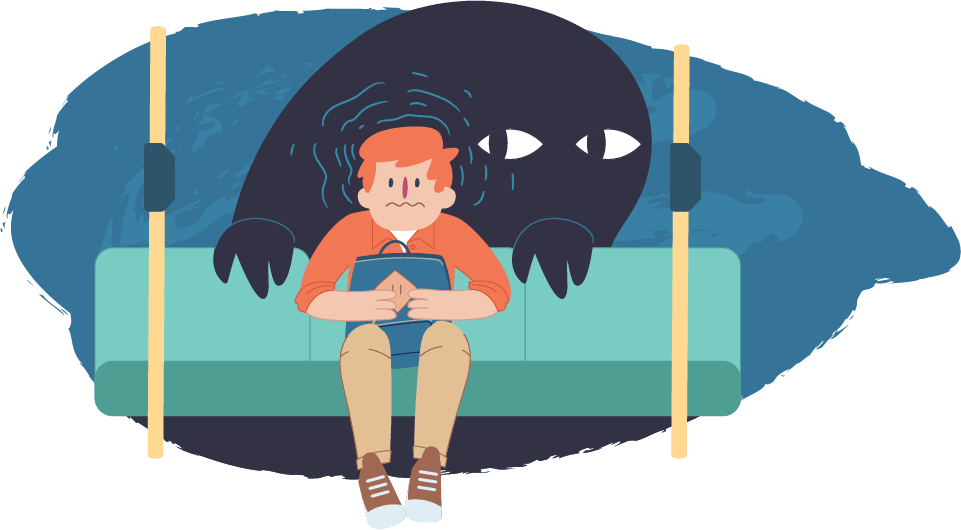
People with anxiety often come to me with laaarge files filled with one test after another. Here are the most common ones:
- Electrocardiograms (ECG/EKG)
- Echocardiograms
- Holter Monitor (24-hour ECG)
[Done when clients experience symptoms related to the heart (such as palpitations)]
- MRI or CT Scans of the Brain
- Electroencephalograms (EEG)
[When clients experience symptoms that mimic neurological symptoms (such as numbness, dizziness or brain fog)]
- Pulmonary Function Tests (Spirometry)
- Chest X-rays
[When clients experience respiratory symptoms such as breathlessness]
- Endoscopy
[For gastric symptoms]
- Thyroid Panel (TSH, T3, T4)
- Blood Sugar Tests (Fasting Glucose, HbA1c)
[For weakness, fatigue and often panic symptoms]
- Vestibular Function Tests (VNG/ENG)
[For dizziness (mimicking vertigo/vestibular migraine symptoms)]
Doing the tests is not unnecessary or undesirable - but often the large files contain the same tests done over and over again! That always makes me furious. You don't need the same test done 4 times to think the results are reliable. (Why are the tests done over and over? = 💸)
Once it is established the tests are normal, the patients are asked to go home.
???!
The tests are normal, but the person did experience the symptoms and would likely want an explanation. Families often become either concerned or dismissive and the patients continue to suffer in uncertainty.
Doctors in India need training in identifying symptoms of anxiety AND more importantly in educating or guiding their patients to seek the help they need.
Not receiving the help that is needed at the right time often creates unnecessary complications and an increase in the number of anxiety loops.
People with anxiety (and everyone else too) should be aware of the diverse symptoms anxiety can present as (Not an exhaustive list but good enough):
Physical Symptoms (Due to Fight-or-Flight Response)
Cardiovascular
- Rapid heartbeat (palpitations)
- Chest tightness or discomfort
- Feeling like you might faint or pass out
- High blood pressure
Respiratory
- Shortness of breath
- Hyperventilation (fast breathing)
- Feeling like you can’t get enough air
Neurological
- Dizziness or lightheadedness
- Tingling or numbness (especially in hands, feet, or face)
- Trembling or shaking
- Headaches or tension headaches
- Brain fog (difficulty concentrating or thinking clearly)
Gastrointestinal (GI) / Digestive Issues
- Nausea or upset stomach
- Diarrhea or loose stools
- Acid reflux or heartburn
- Loss of appetite or increased appetite
- Feeling of a "knot" in the stomach
Musculoskeletal
- Muscle tension (especially in neck, shoulders, and jaw)
- Restlessness or inability to stay still
- Weakness or jelly-like legs
Sensory Symptoms
- Sensitivity to light or sound
- Feeling detached from surroundings (derealization)
- Feeling detached from your body (depersonalization)
- Blurred vision
Temperature Regulation
- Sweating (even in cool temperatures)
- Chills or hot flashes
Psychological Symptoms
Cognitive (Thoughts & Perception)
- Racing thoughts
- Constant worry (even about small things)
- Fear of losing control
- Feeling like something bad will happen (impending doom)
- Difficulty concentrating or making decisions
- Overanalyzing past conversations or interactions
- Fear of embarrassment or judgment (social anxiety)
Emotional
- Feeling overwhelmed or on edge
- Irritability or frustration
- Sudden mood swings
- Feeling disconnected from reality or yourself
- Feeling guilty or ashamed
Behavioral
- Avoiding situations that trigger anxiety
- Compulsively checking things (doors, messages, symptoms)
- Seeking reassurance from others constantly
- Pacing or fidgeting
- Procrastination due to fear of failure
Sleep-Related
- Difficulty falling asleep
- Waking up frequently
- Vivid or disturbing dreams
- Feeling exhausted despite sleeping enough
Severe or Panic Attack Symptoms
- Intense chest pain (often mistaken for a heart attack)
- Feeling like you’re choking
- Sudden extreme fear (even without a clear cause)
- Feeling like you’re about to die
- A sense of detachment from reality (derealization)
- Full-body shaking
If you're able to identify your symptoms for what they are, you are less likely to make your condition worse.